
What is IVF?
Everything You Need to Know About IVF Treatment
For many couples, having a child is one of the most beautiful dreams in life. However, infertility challenges can sometimes make this journey diffi cult. Fortunately, modern fertility treatments provide hope, and one of the most advanced and effective treatments is IVF. Understanding what is IVF can help couples make informed decisions about their fertility journey.
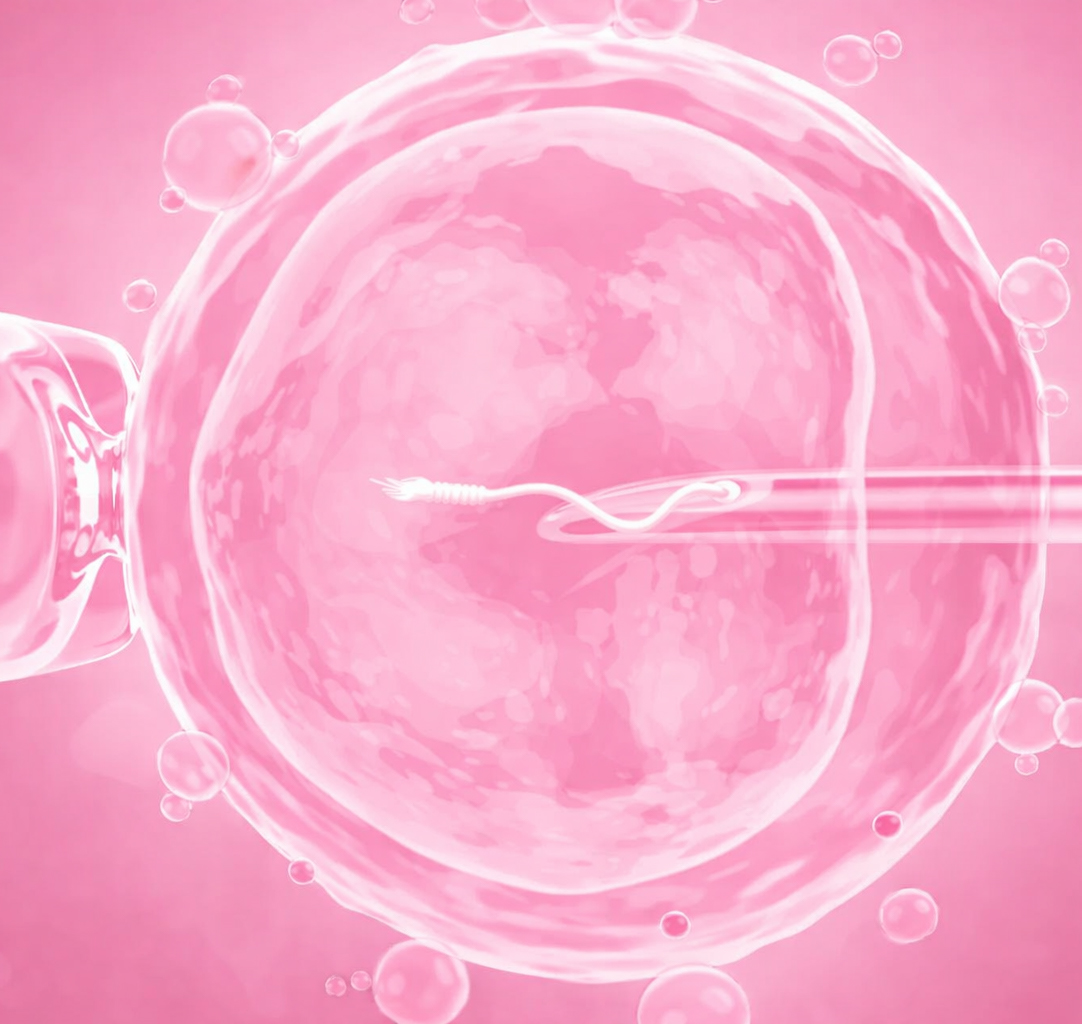
In simple terms, what is IVF refers to a medical procedure where fertilization occurs outside the body in a specialised laboratory. The fertilized embryo is then transferred into the uterus to achieve pregnancy. Today, IVF has helped millions of couples worldwide become parents.
At NCARE IVF, fertility specialists use advanced medical technology and personalised treatment approaches to support couples struggling with infertility. Understanding what is IVF can help you explore whether this treatment could be the right step toward parenthood.
IVF Full Form and Meaning
The IVF full form is In Vitro Fertilization.
- In Vitro means “outside the body” or “in glass.”
- Fertilization refers to the process where sperm fertilizes an egg.
Therefore, what is IVF can be described as a fertility treatment where eggs and sperm are combined in a controlled laboratory environment to create embryos.
At NCARE IVF, advanced fertility labs and experienced specialists ensure that each stage of the IVF process is carefully monitored to maximise success rates.
What is IVF and how does the process work?
To fully understand what is IVF, it is important to know how the IVF process works. The treatment involves several carefully planned stages designed to improve the chances of pregnancy.
1. Ovarian Stimulation
The IVF process begins with medications that stimulate the ovaries to produce multiple eggs instead of the single egg released during a natural cycle. This step increases the chances of successful fertilization.
2. Egg Retrieval
Once the eggs mature, doctors collect them through a minor medical procedure known as egg retrieval. The procedure is usually performed under mild sedation to ensure patient comfort.
3. Fertilization in the Laboratory
The collected eggs are combined with sperm in a specialised laboratory environment. This step is the core stage that explains what is IVF, where fertilization occurs outside the body.
4. Embryo Development
After fertilization, the embryos are monitored for several days to ensure healthy development. Specialists carefully observe embryo quality before selecting the best one.
5. Embryo Transfer
Finally, the healthiest embryo is transferred into the uterus. If the embryo successfully implants in the uterine lining, pregnancy occurs.
At NCARE IVF, each stage of the IVF process is performed with advanced technology and expert medical supervision.
Is IVF Painful?
Many people researching what is IVF often worry about whether the procedure is painful.
In most cases, IVF is not considered very painful. However, some women may experience mild discomfort during certain stages of the treatment.
Common sensations during IVF may include:
- Mild bloating during ovarian stimulation
- Slight discomfort during egg retrieval
- Minor cramping after embryo transfer
With proper medical guidance and monitoring, these risks can be minimised effectively.
Advantages of IVF
Understanding the benefi ts helps couples better understand what is IVF and why it is widely recommended for certain fertility conditions.
Key Advantages of IVF
- Helps couples with blocked or damaged fallopian tubes
- Effective for male infertility problems
- Provides a solution for unexplained infertility
- Allows the use of donor eggs or sperm if needed
- Enables genetic testing of embryos
- Improves chances of pregnancy compared to some other fertility treatments
At NCARE IVF, treatment plans are customised to suit each patient's fertility condition, improving the chances of successful outcomes.
Disadvantages of IVF
While understanding what is IVF, it is also important to consider its possible limitations.
Possible Disadvantages
- IVF treatment may be costly
- Success rates vary depending on age and fertility health
- Multiple treatment cycles may sometimes be required
- Emotional stress during the fertility journey
- Possibility of multiple pregnancies
At Despite these challenges, many couples successfully achieve pregnancy with IVF treatment.
Who Can Benefi t from IVF?
After learning what is IVF, many couples wonder whether this treatment is suitable for them.
IVF may be recommended for individuals or couples experiencing:
- Blocked fallopian tubes
- Severe male infertility
- Ovulation disorders
- Endometriosis
- Unexplained infertility
- Failed fertility treatments such as IUI
At NCARE IVF, fertility specialists carefully evaluate each patient’s medical history and fertility condition before recommending IVF treatment.
At Despite these challenges, many couples successfully achieve pregnancy with IVF treatment.
Why Choose NCARE IVF for Fertility Treatment?
Choosing the right fertility center plays a crucial role in IVF success.
NCARE IVF offers:
- Experienced fertility specialists
- Advanced IVF laboratory technology
- Personalized fertility treatment plans
- Compassionate patient care and counseling
- Modern diagnostic and treatment facilities
The expert team at NCARE IVF focuses on providing reliable, ethical, and patient-centered fertility care.
Start Your Parenthood Journey Today
If you are exploring what is IVF and looking for the right fertility treatment, consulting experienced specialists can help you understand your options clearly.
The fertility experts at NCARE IVF are dedicated to supporting couples through every step of their fertility journey with advanced medical care and compassionate guidance.
Register Now
Take the fi rst step toward parenthood at NCARE IVF and consult experienced fertility specialists to explore your IVF treatment options.
FAQs About IVF
1. What is IVF and how does it work?
It refers to a fertility treatment where eggs and sperm are fertilized in a laboratory before the embryo is transferred into the uterus to achieve pregnancy.
2. Is IVF safe?
Yes, IVF is considered safe when performed by experienced fertility specialists at advanced fertility centres like NCARE IVF.
3. Is IVF painful?
Most women experience only mild discomfort during IVF procedures. Doctors use sedation and supportive care to ensure patient comfort.
4. How long does IVF treatment take?
A typical IVF cycle usually takes 4 to 6 weeks, depending on the patient’s medical condition and treatment plan.
5. Who should consider IVF?
IVF is often recommended for couples experiencing infertility issues such as blocked fallopian tubes, male infertility, ovulation disorders, or unexplained infertility.