
IVF Before 35 vs IVF After 35
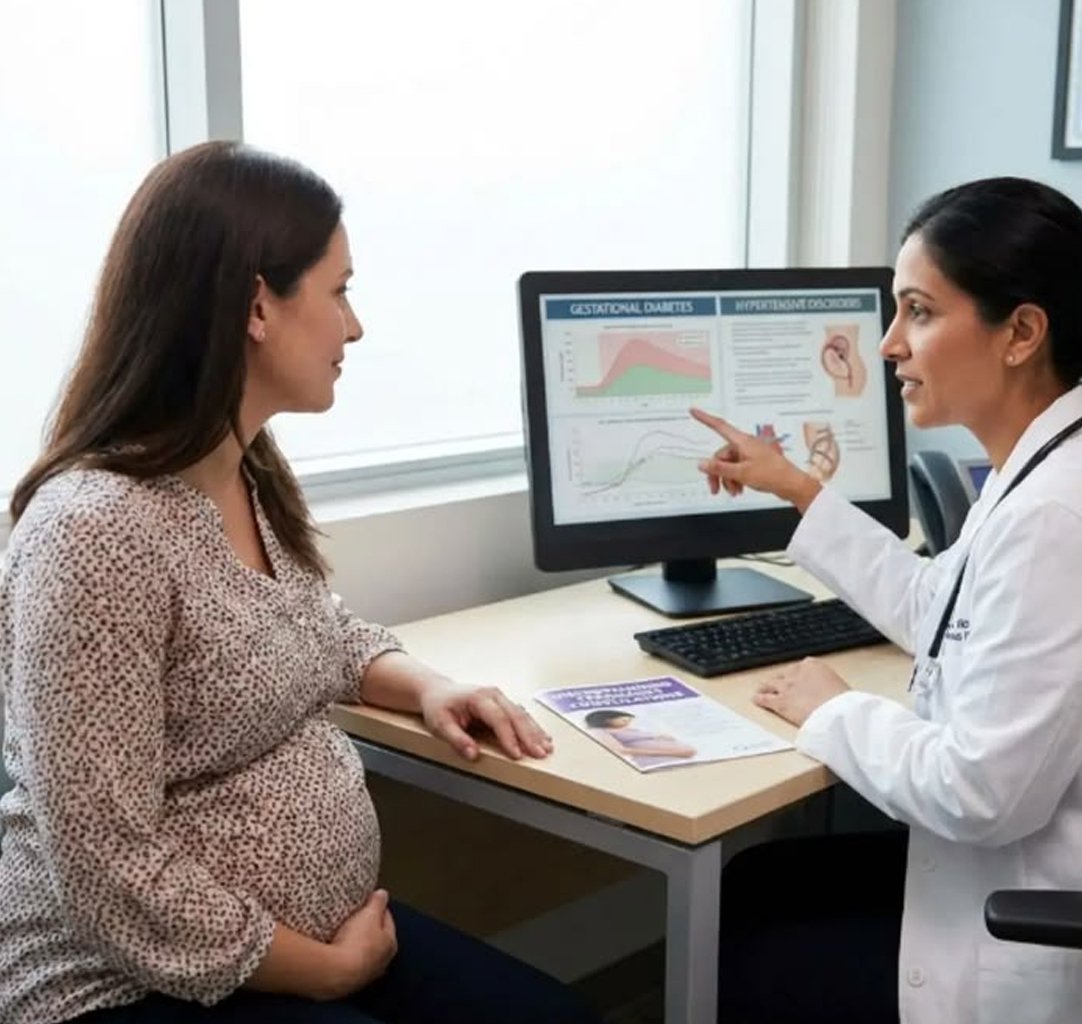
IVF Before 35 vs IVF After 35: The Difference in Infertility Treatments
The age is one of the significant parameters that should be considered by those people who try to plan a conception and infertility treatments. Although many people manage to conceive regardless of age, in the case of women, fertility is gradually decreasing during age advancement. The age is also one of the important aspects of IVF treatment and its outcomes.
When it comes to fertility treatment, knowledge about the difference between IVF before 35 and IVF after 35 may help couples understand the possible ways to solve their fertility issues.
Why Is the Age Important in IVF?
The ability of a woman to conceive is dependent on both the quantity and quality of the woman's eggs. With the increasing age, the ovarian reserve usually decreases, and changes in the egg quality may negatively impact infertility and the reproductive abilities of a woman.
According to the American Society for Reproductive Medicine, female age is one of the indicators of fertility, which is why it is recommended to perform the fertility assessment earlier for women aged 35+.
However, a woman’s age does not predetermine the success of the IVF procedure. A fertility specialist takes into account a number of aspects, including ovarian reserve, medical history, reproductive history, sperm parameters, and the cause of infertility.
What to Expect from IVF before 35?
Women younger than 35 tend to have better reproductive capacity in comparison with women of advanced maternal age. This is one more aspect to consider when making your reproductive plans.
When IVF is indicated in women under 35, then this treatment usually includes the following steps:
- Fertility assessment
- Assessment of hormones and ovarian reserve
- Ultrasound assessment
- Semen analysis of the male
- Ovarian stimulation
- Egg retrieval
- Fertilization and embryo culture
- Embryo transfer
However, not all women under 35 need IVF. In accordance with the cause and duration of infertility, the specialist can offer you another approach to the treatment of infertility.
IVF Over 35: How Does It Change?
Having babies over 35 years old is still a possibility, and many women give birth to their babies in their late thirties and forties. Still, the general trend shows that fertility decreases as one grows older.
With increasing age, there may be fewer eggs available for fertilisation and a higher chance of chromosomal abnormalities within eggs.
So, for women over 35 with issues conceiving, a fertility assessment may be done earlier, instead of after a whole year.
IVF Over 35: No Need to Fear
Having passed 35 years old doesn’t automatically exclude one from using IVF as a way to conceive. There is still a chance to use fertility treatment for many people.
The individual approach to treatment depends on the following factors:
- Age
- Ovarian reserve
- History of pregnancy/IVF
- Factors related to eggs and embryos
- Sperm
- Uterus/tubes
- Underlying problems with fertility
- Response to previous treatment
The data from HFEA for 2024 in the UK shows that there were substantial variations in the percentages of live births per embryo transferred based on age and use of patients' eggs with an average percentage of 38% for the age group 18-34 years and 8% for the age group 43-44 years. These are population data and not useful for predicting individual cases.
Options For IVF Treatment May Vary Based On Patient's Age
There is no universal protocol that can be applied for all patients undergoing IVF. This can be tailored depending on the patient's age and findings in the clinic.
Depending on the specific case, the treatment might include:
1. Conventional IVF
Collection of eggs after stimulation of the ovaries followed by fertilization with sperm in the lab. Embryos formed are then cultured in the lab before one embryo is transferred.
2. ICSI
Intracytoplasmic Sperm Injection (ICSI) is the process of injecting a single sperm cell into an egg. This may be done in some selected cases due to certain reasons.
3. Frozen Embryo Transfer
Embryo Transfer After Freezing Embryos made in a single cycle of IVF can be frozen and transferred in a later cycle, where it is considered appropriate.
4. Egg Freezing
Egg freezing is a procedure that can be advised to women who do not want to conceive right away and are looking to preserve their chances of conceiving in the future.
Which Tests Can Be Required Before Starting IVF?
To start a process of IVF treatment, a fertility doctor may advise various tests to check the reproductive health status of both partners.
The list of required tests can consist of the following:
- AMH test
- Antral follicle count via ultrasound
- Other hormone tests if needed
- Checkup of the uterus and fallopian tubes
- Seminal fluid analysis
However, one needs to know that while ovarian reserve testing by AMH and AFC will give valuable insight into ovarian responsiveness, it will not determine reproductive potential in itself. It should be considered together with age and the whole clinical situation.
IVF before 35 – Should You Consider?
If the couple is trying to conceive without success, it makes sense to consult the doctor to establish the possible reason for failure instead of just waiting because of age criteria.
The standard advice for women younger than 35 years old is to get an evaluation for infertility after 12 months of actively trying to conceive in the absence of other risk factors. The same procedure may be recommended after six months for women 35 years old and older. Women who are older than 40 years old will probably profit more from timely infertility evaluation.
There are certain conditions that indicate the need for infertility evaluation before age criteria.
Selecting the Proper IVF Centre
The selection of an infertility centre is not limited to checking out age-wise success rates. Some other aspects that couples may wish to consider while selecting the best IVF centre include:
- Experience of the infertility specialists
- Infertility laboratory infrastructure
- Types of fertility treatments offered
- Personalised treatment plan
- Availability of fertility diagnosis and counselling
- Treatment procedure transparency
- Follow-up and patient support
If you are seeking for the best IVF treatment in Kerala, then you must have a comprehensive consultation regarding which treatment process will suit your specific fertility problems.
At NCARE IVF, we provide infertility treatment services based on specific requirements of our patients. If couples are seeking the best IVF clinic in Kerala, they can consult a qualified fertility specialist.
An initial fertility consultation may be crucial if couples want to know more about their fertility problems and available treatment options.
Conclusion
While IVF prior to 35 and IVF after 35 differ in a number of ways, it should be noted that age alone does not tell the entire story about your fertility. An early examination may prove especially useful in case you do not conceive as you would expect, especially in case of conception past the age of 35.
There is no single IVF treatment regimen that will work the same way for all individuals. A personalized evaluation will allow for identifying the right treatment approach taking into account such factors as your age, ovarian reserve and others.
In case you are planning to undergo IVF treatment, consult a fertility specialist.